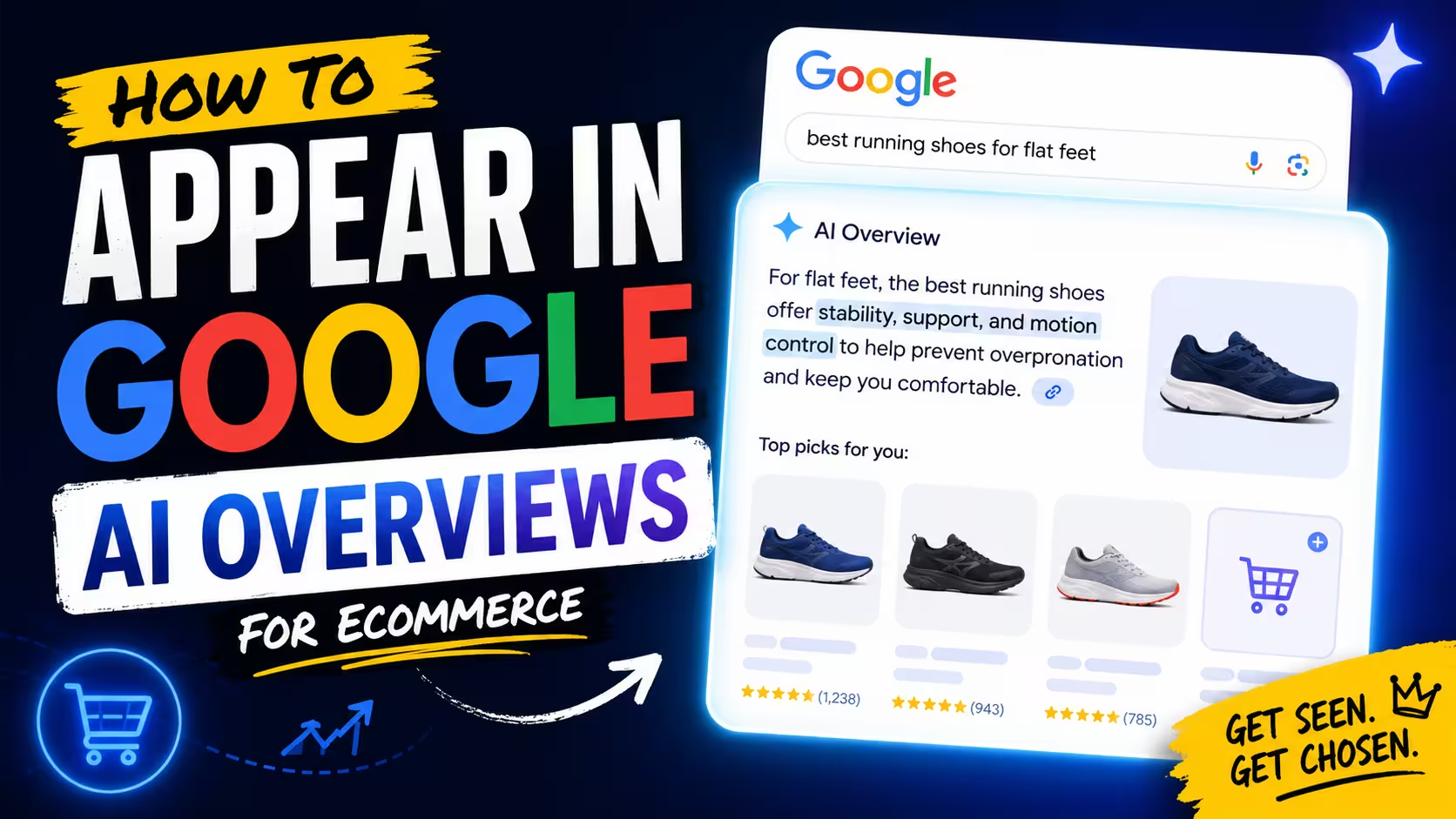

The digital world is changing fast. Generative technology is making it easier for shoppers to find what they need. It’s moving away from old ways of searching to new, more personal methods.
For online stores, it’s key to know how to appear in Google AI Overviews for ecommerce. This means changing how you approach digital marketing. You need to focus on clear data and quality content that answers complex questions.
By updating your website, you can get noticed in these dynamic search environments. This guide will show you how to succeed in a world where machines help guide shopping choices.
Key Takeaways
- Generative search is replacing traditional keyword-based discovery.
- Structured data helps machines understand your product catalog better.
- High-quality, authoritative content remains the foundation of visibility.
- User intent now drives the structure of search engine results.
- Adapting to these changes ensures long-term growth for online stores.
Understanding the Mechanics of Google AI Overviews
The way we search online is changing. Now, search engines give direct answers instead of just links. This change in google ai overviews ecommerce means brands need to update how they share product info.
This new tech uses advanced algorithms to gather info from the web. For online stores, being seen isn’t just about keywords. It’s about being the authoritative source for answers.
How Generative Engine Optimization Differs from Traditional SEO
Old SEO focused on getting more visitors with keywords. But ai search engine optimization, or Generative Engine Optimization (GEO), values clear, useful info. Knowing the difference between ecommerce geo vs seo is key for digital strategies.
While traditional SEO aims for clicks, GEO seeks to be the featured answer in AI searches. Marketers should focus on creating valuable content. By excelling in ecommerce ai overviews seo, brands can be the go-to for shoppers.
The Role of Large Language Models in Ecommerce Search
Large Language Models (LLMs) power these new search experiences. They analyze lots of data to find the most relevant sites. When a shopper asks about a product, the model picks the best content based on ecommerce ai overviews seo signals.
These models aim to make the path from question to purchase easier. By optimizing for ai search engine optimization, retailers can make their product info more credible. The debate on ecommerce geo vs seo shows that direct, accurate answers are now key for visibility.
Foundational SEO Strategies for AI Visibility
Modern ecommerce success relies on how well your digital store talks to AI. A strong ai search optimization for ecommerce strategy is more than keywords. It’s about quality and technical detail.
Before you grow, make sure your site is ready for AI. A good ecommerce aeo strategy is key for AI-driven search growth.
Prioritizing E-E-A-T for Ecommerce Brand Authority
Google values Experience, Expertise, Authoritativeness, and Trustworthiness. Good ecommerce eeat optimization shows your brand’s history and knowledge through clear content.
By showing expert authors and clear product info, you boost ecommerce brand authority seo. This makes AI trust your store as a reliable info source.
Optimizing Technical Infrastructure for Faster Crawling
Technical skill is essential for search success. If search engines can’t easily find your site, they can’t add your products to their databases.
Focus on ecommerce indexing optimization to keep your inventory up-to-date and easy to find. Fast loading and a simple site structure help AI crawlers quickly find your latest products.
Structuring Data for AI Comprehension
Ecommerce brands need to talk to AI in its own language. This means using structured data. It connects your website content to search engines’ complex algorithms. This way, AI can understand your products and brand better.
This is key for ecommerce generative engine optimization. Clear data helps your products show up in AI summaries and search results. It’s a must for staying ahead in the digital world.
Implementing Product Schema Markup for Rich Results
Product schema gives search engines detailed info like prices and ratings. Using schema markup for ecommerce seo lets search engines show this info in results. This is vital for ecommerce rich results optimization, helping users decide before they visit your site.
Good data structure helps AI understand and use your product info. This is important for google sge ecommerce seo. It makes sure your products are seen when users ask specific questions.
Accurate, up-to-date data through schema builds trust. It’s good for both search engines and customers.
Leveraging FAQ Schema to Capture Conversational Queries
Users are now asking AI-driven search tools more questions. With ecommerce faq schema optimization, you can answer these questions directly. This way, your brand can grab valuable traffic with quick, accurate answers.
FAQ schema makes your product pages problem-solvers. It shows your brand’s authority and relevance to AI. Structuring your data this way keeps your brand top of mind for users looking for fast info.
Optimizing Content for Informational and Buyer Intent
To attract AI-driven traffic, your content must meet user curiosity and drive sales. Search engines favor sites that offer detailed answers and guide users to buy. By focusing on ecommerce search intent optimization, your site becomes a top pick for both discovery and purchase.
Effective ecommerce content marketing ai strategies need a two-pronged approach. You must answer user questions and showcase your products’ value. This makes AI models see your site as a trusted source for industry topics.
Mapping Content Clusters to the Ecommerce Customer Journey
Organizing your site into clusters helps AI systems understand your content’s connections. Mapping content to the customer journey provides a clear path from research to checkout. This structure is key for ecommerce buyer intent seo, aligning your messaging with the user’s mindset.
- Awareness Stage: Create educational blog posts that address common industry problems.
- Consideration Stage: Develop comparison guides and detailed product features.
- Decision Stage: Use clear calls-to-action and social proof to finalize the sale.
Adding a strong geo for ecommerce websites strategy to these clusters can improve your reach. Tailoring content to specific regions gives AI models the context to serve local results effectively.
Writing AI-Friendly Content that Answers Specific User Questions
Creating ai friendly ecommerce content means writing like you’re having a conversation. AI systems prefer direct, concise answers that solve the user’s query without extra words. Focus on clarity and structure to make your content easy for AI to understand.
Using ecommerce long tail keywords ai patterns in your headers and text is a smart tactic. These phrases often match the specific questions users ask when looking for products. By answering these questions directly, you boost your chances of being seen as a primary source in search results.
“The most successful brands are those that anticipate the user’s next question and provide the answer before it is even asked.”
— Digital Strategy Expert
How to appear in Google AI Overviews for ecommerce
To show up in Google AI Overviews, you need a new approach to your ecommerce content. Search engines are now using AI to find answers. Your store must give clear, quality answers to what users are looking for. Knowing how to appear in Google AI Overviews for ecommerce is now essential for digital growth.
Step 1: Identifying High-Volume Informational Keywords
To attract AI-driven traffic, find the right keywords. Look for ecommerce informational keywords that answer common questions about your products. These often start with “how to,” “what is,” or “best way to.”
Choose terms that help users move from curiosity to buying. By linking these keywords to your products, you help search engines see your brand as a source of helpful info. Being consistent in this step is important for staying visible.
Step 2: Crafting Concise and Authoritative Answer Snippets
When aiming for Google AI Overviews, being brief is key. Generative models favor content that answers quickly and accurately. Make sure your content starts with a clear, summary paragraph.
Your ecommerce featured snippets strategy should be direct and valuable. Use bullet points or numbered lists to simplify complex info. This makes it easier for AI to understand and cite your content.
Step 3: Optimizing Product Descriptions for Natural Language Processing
Today’s search engines are smarter at understanding your product pages. A good ecommerce NLP seo strategy means writing descriptions that feel natural and easy to talk to. Avoid stuffing keywords, as it can confuse AI and hurt your ranking.
Instead, answer specific questions in your product copy. Emphasize ai overview ranking factors like benefits, materials, and how to use it. Clear, descriptive language helps your content get indexed and understood by AI search systems.
| Strategy Element | Traditional SEO | AI-Optimized SEO |
|---|---|---|
| Content Focus | Keyword Density | User Intent & Context |
| Snippet Format | Meta Descriptions | Concise Answer Blocks |
| Language Style | Search-Engine Focused | Natural & Conversational |
| Primary Goal | Click-Through Rate | Direct Answer Authority |
Enhancing Product Pages for Generative Search

When users find your store through AI links, your product page is key. It shows if your brand is trustworthy. To make your product page great for AI search, you need a plan. This plan should meet both technical needs and what real people want.
Improving UX and Trust Signals to Reduce Bounce Rates
High bounce rates mean your page might not meet user needs. To better ecommerce ux and seo, focus on fast loading and easy navigation. A simple layout helps users find what they need quickly.
Adding clear ecommerce trust signals seo is also key. It helps new visitors feel at ease. Here are some ways to increase trust:
- Show secure payment badges near the checkout button.
- Make shipping and return policies clear on every page.
- Use high-quality images that let users zoom in.
- Make sure your site works well on mobile devices.
Integrating User-Generated Content and Reviews for Social Proof
AI likes content that shows real-world approval. Using product review schema ecommerce helps search engines see your product’s quality. This is important for AI to trust your page.
Real feedback is strong proof that helps both people and AI. When customers share their stories, they add valuable content. This content helps your pages rank better for specific searches. Ask your customers to write detailed reviews to make a bigger impact.
The mix of ecommerce cro and seo leads to lasting growth. When you focus on the user, you meet AI’s standards too. This way, AI traffic becomes loyal customers for your brand.
Building Topical Authority through Internal Linking
Building topical authority ecommerce seo is key for online stores to be seen. When your site is a go-to resource, AI sees your brand as a trusted expert. This is key for ranking well in search results.
“Content is the bridge between a user’s intent and the solution your brand provides; structure is the map that makes that bridge easy to cross.”
Creating Pillar Pages for Core Ecommerce Categories
Pillar pages are the base of your ecommerce content clusters. They act as main hubs for your product categories. This makes it easy for search engines to find and index your site.
These pages offer valuable info, answering key questions and linking to detailed product pages. This ecommerce semantic seo strategy shows AI your site’s depth of knowledge. It tells Google your site is a top source for info.
Connecting Related Products through Semantic Internal Links
A strong ecommerce internal linking strategy is more than just menus. Using keyword-rich anchor text helps search engines see how products and categories are related. This makes your site’s pages more relevant and easier to find.
Strategic linking moves authority from pillar pages to product pages. This boosts the ranking of even niche items. A well-linked site offers a smooth user experience and meets AI search engine needs.
Leveraging Entity SEO and Knowledge Graphs
Turning your brand into a known entity is key for ecommerce success. Instead of just using keywords, ecommerce entity seo makes search engines see your business as a unique, trusted source.
Creating a strong digital presence helps you show up in AI summaries. This makes Google see your brand as a go-to expert in your field.
Establishing Brand Entities in Google Knowledge Graph
To be seen in the ecommerce knowledge graph seo world, you need to send clear signals online. Start by adding Organization Schema on your site. This shows your brand name, logo, and social media links.
Make sure your business info is the same everywhere. This helps Google confirm your identity and connect your site to your social channels and mentions.
Optimizing for Brand-Specific Search Queries
To get traffic from searches for your brand, focus on what makes you special. Create top-notch content that answers questions about your products and history.
When people search for your brand, they want to know who you are and what you offer. Having this info on your site helps Google fill its knowledge systems with the right data about your business.
| Strategy Component | Traditional SEO | Entity SEO |
|---|---|---|
| Primary Focus | Keyword Rankings | Brand Authority |
| Data Structure | Meta Tags | Knowledge Graph |
| Goal | Click-Through Rate | Contextual Relevance |
| Success Metric | Traffic Volume | Brand Recognition |
By focusing on these areas, you lay a strong foundation for growth. Consistency is key to staying a recognized entity in the digital world.
Managing Citations and External Trust Signals

External trust signals are like your store’s digital reputation to search algorithms. AI models check if your brand is reliable by looking beyond your website. Building a verifiable footprint is key for staying visible.
Improving your ecommerce answer engine optimization means focusing on quality connections. These signals show AI that your brand is trustworthy in your niche. Having consistent data online boosts confidence in your store.
Securing High-Quality Backlinks from Industry Authorities
Backlinks are a big deal for search engines, but quality is more important than quantity. Aim for links from respected industry publications, trade associations, and experts in your field.
To get these valuable links, try these strategies:
- Publish original research or data-driven reports that industry peers want to cite.
- Collaborate with influencers or experts to create co-branded content.
- Monitor brand mentions and request links when your store is referenced without a direct connection.
Managing Local SEO and Business Profiles for Ecommerce
Local SEO is important for online stores too. Make sure your business info is the same everywhere to help AI verify your identity. This consistency makes your brand clearer and stronger.
Manage your profiles on Google Business Profile, Yelp, and industry-specific directories. Keep them up to date with accurate info and fresh reviews. This helps your ecommerce ranking in ai search engines by showing a clear picture of your business.
Trust is the currency of the modern web. When your brand is consistently cited by authoritative sources, AI models are far more likely to prioritize your content in search results.
Monitoring Performance in AI-Driven Search
Success in AI-driven search means looking at performance differently. ai driven ecommerce seo strategies need to change with search behavior. Click-through rates alone don’t show the full picture of your brand’s impact.
Tracking Zero-Click Search Trends in Google Search Console
AI summaries have made zero-click searches more common. For ecommerce zero click search optimization, watch your impression data in Google Search Console. Look for spikes in impressions for important queries, even if clicks don’t change.
This data shows if your content is in AI summaries. By seeing which pages get seen, you can improve your ai powered search ranking ecommerce. Make sure your content is accurate and reliable.
Analyzing Referral Traffic from Generative Search Results
But, tracking referral traffic is also key for ecommerce organic traffic growth. Use UTM parameters and advanced analytics to track traffic from AI search. This shows the real value of your ecommerce search visibility ai work.
Comparing these metrics to past data shows AI’s impact on your sales. Use the table below to see the difference between old and new performance measures for your online store.
| Metric Type | Traditional SEO | AI-Driven Search |
|---|---|---|
| Primary Goal | Click-Through Rate | Brand Authority |
| Visibility | Blue Links | AI Summaries |
| User Action | Direct Visit | Informed Engagement |
| Success Signal | High Traffic | High Impression Share |
Advanced Tactics for Competitive Advantage
In today’s world, getting ahead means managing data well and focusing on what customers want. Brands that stick to old ways often find it hard to stay seen. Using google ai search ecommerce tips helps your store stay current in a digital world that’s getting smarter by the day.
Optimizing Product Feeds for AI Search Engines
Your product feed is key for AI to understand your products. By optimizing shopify for google ai overviews, you make sure your data is clear and easy for AI to get. Good ecommerce product feed seo means using terms that AI can quickly understand.
For WordPress users, woocommerce ai seo optimization means using plugins for schema. Keeping your product details the same everywhere helps avoid AI mistakes. This makes your products show up in detailed, AI-generated search results.
Adapting Content for Voice Search and Conversational Queries
The way people search online has changed with conversational search ecommerce. Now, they ask questions like “What’s the best waterproof hiking boot for winter?” Your content needs to answer these questions directly and helpfully.
Good ecommerce voice search seo means thinking about what users might ask. Creating content that answers these questions makes your brand seem helpful. This is also key for ecommerce seo for bing copilot, where AI combines info from different places to give a full answer.
| Strategy | Primary Goal | AI Platform Focus |
|---|---|---|
| Structured Data | Data Clarity | Google AI Overviews |
| Natural Language | Conversational Match | Voice Assistants |
| Feed Optimization | Inventory Accuracy | Bing Copilot |
| Entity Linking | Brand Authority | Knowledge Graphs |
Conclusion
To master AI-driven search results, you need both technical skills and high-quality content. Ecommerce brands must focus on E-E-A-T principles to gain Google’s trust.
Structured data is key for generative models to understand your product info. Improving your technical setup helps search engines show your products accurately to customers.
See these search updates as a chance to improve your online presence. Keep an eye on how well your site performs. This way, you can adjust your strategy as search habits change.
Begin checking your search visibility now to stay on top of trends. Keep working on making your content easy to understand. This effort will help you succeed as search technology gets better.
FAQ
How can I optimize my website to appear in Google AI Overviews for ecommerce?
To show up in Google AI Overviews, switch from old keyword tactics to ecommerce Generative Engine Optimization (GEO). Focus on making your site a trusted authority. Use ecommerce semantic SEO and schema markup to help Google understand your products and brand.
What is the difference between traditional SEO and ecommerce Generative Engine Optimization (GEO)?
Traditional SEO aims for top spots in search results. Ecommerce GEO, or ecommerce AEO, aims to be the go-to source for AI summaries. AI wants concise, trustworthy answers to questions, not just a list of sites.
Which types of structured data are most important for AI search visibility?
Structured data is key for AI to get your site. Use product schema for rich results and ecommerce FAQ schema for conversational searches. This makes it easier for AI to show your content in summaries.
How do I optimize Shopify or WooCommerce for Google AI Overviews?
To optimize Shopify or WooCommerce for AI, focus on technical health and clear data. Make sure your product feed is clean and your site is fast and mobile-friendly. These factors help AI find your site.
What role does topical authority play in ecommerce AI search ranking?
Topical authority is key for AI rankings. Create content clusters to show your expertise. This approach helps your brand stand out in AI search results.
How can I write ecommerce content that is “AI-friendly”?
Write content that sounds natural and answers questions. Use clear headings and lists. This makes your site a reliable source for AI to cite.
Does user-generated content affect my ranking in AI search engines?
Yes, user content and reviews boost your site’s trustworthiness. AI values social proof to ensure safety and reliability. High-quality reviews prove your brand’s authority.
How do I measure success if AI Overviews lead to zero-click searches?
Track ecommerce zero click search optimization with new analytics. Look at organic traffic growth and search visibility AI. This shows how your content marketing AI impacts brand awareness.
What is Entity SEO and why does it matter for online retailers?
Entity SEO makes your brand a unique entity in the Google Knowledge Graph. Keep your brand info consistent across platforms. This helps AI feature your products in search results.
Can I optimize my ecommerce site for voice search and conversational AI?
Yes, optimizing for voice search and AI is possible. Use conversational phrases and long-tail questions. This increases your chances of being the top answer for AI voice searches.